Is it legal to make an AI clone of yourself?
By Ankur Shrestha, founder of Twinsona – Updated July 2026
Yes. Making an AI clone of yourself, from your own content and with your consent, is generally legal in the United States. You hold the rights to your own name, voice, and likeness, so a chat or voice version that answers from your material is yours to build. The legal risk shows up when someone clones a different person without permission. That can violate the target's right of publicity, a set of state laws that protect a person's name, image, and voice.
The short version: Cloning yourself is generally legal, because you own your own name, voice, and likeness. Cloning someone else without consent is the risk: it can infringe their right of publicity, which in the US is state law that varies widely. A proposed federal law, the NO FAKES Act, would add nationwide protection against unauthorized AI replicas, but as of July 2026 it is not enacted. This page is general information, not legal advice. Start with what an AI twin actually is.
Cloning yourself: the plain answer
You are allowed to make an AI version of yourself. Building a twin from your own videos, podcasts, posts, and courses uses content you created and a likeness you hold rights to. Named creators already do this in public: Tony Robbins and Matthew Hussey both sell access to their own AI at $39 per month on their own pages, and Tony Robbins runs coaching in his own voice, built with Steno.ai and ElevenLabs.
Two practical caveats apply even when the person is you.
First, check the terms of whatever platform your content lives on. Some tools claim broad rights to the material you feed them, or to the model they build. Read what you are signing.
Second, if your AI clone gives guidance in a regulated field – health, finance, or law – it should stay inside your own content and defer to a professional for anything clinical or advisory. Grounding your twin in your material reduces made-up answers; it does not eliminate them (Béchard and Marquez Ayala, 2024), which is exactly why limits matter.
Cloning someone else: where the real risk is
The legal trouble is not cloning yourself. It is building a convincing AI version of another person without their permission. That runs into the right of publicity: a person's right to control the commercial use of their name, image, voice, and likeness.
In the United States, the right of publicity is state law, not federal, and it varies a lot. Roughly 35 states recognize it, some by statute and some through common law, and the protected attributes differ by state. California covers name, voice, signature, photograph, and likeness. New York limits it to name, portrait, picture, and voice. Indiana even reaches distinctive appearance, mannerisms, and gestures. Post-death terms range from 10 years in some states to indefinite in Tennessee (overview via Justia).
The takeaway: an unauthorized AI clone of a real person, used commercially, can infringe their right of publicity in many states, and which rules apply depends on where the person lives. This is the wall that scraped, unofficial "clones" of a creator run into.
The NO FAKES Act: proposed, not enacted
Federal lawmakers have proposed filling that state-by-state gap. The NO FAKES Act (Nurture Originals, Foster Art, and Keep Entertainment Safe) would create a federal right against unauthorized "digital replicas" – AI-generated recreations of a person's voice or visual likeness.
As of July 2026, it has not been enacted. The Senate version, S. 4591, was ordered reported out of committee in June 2026, and independent trackers still put its odds of becoming law well below even (GovTrack). Treat it as a signal of where the law is heading, not as current law. If it passes, unauthorized AI clones of a person would carry clearer federal liability nationwide.
This is general information, not legal advice. Right-of-publicity rules vary by state, the federal picture is unsettled, and your situation may turn on facts this page cannot cover. For a real decision, talk to a lawyer licensed in your jurisdiction.
Why consent is our default
Because the legal line runs on consent, we built Twinsona so consent comes first by default.
A twin answers only under its owner's consent. We do not publish a working AI version of a person from scraped content and wait for a complaint. The owner controls their twin and sets its limits, which keeps the "cloning someone else without permission" failure mode off the table by design.
From there, ownership means control: your audience, your revenue, your likeness, run under your consent, inside limits you set. You decide what the twin can and can't say, and it answers only from content you've approved. That is a different posture from an ungrounded chatbot wearing your name. See how to control what your AI twin says for how those limits work in practice, and what an AI clone is for how a grounded clone differs from a deepfake.
If you want to build your own – legally, from your own content, with consent built in – here's how to make an AI clone of yourself, and the AI twin category guide for the full picture.
FAQ
Is it legal to make an AI clone of yourself? Generally, yes. You hold the rights to your own name, voice, and likeness, so building a chat or voice version from your own content is lawful in the United States. Watch two things: the terms of the platform hosting your content, and any regulated advice your clone might give. This is general information, not legal advice.
Is it legal to make an AI clone of someone else? Not without their consent. An unauthorized AI clone of a real person, used commercially, can infringe that person's right of publicity, which protects their name, image, voice, and likeness. In the US these are state laws that vary widely, so the specifics depend on where the person lives.
What is the right of publicity? The right of publicity is a person's right to control the commercial use of their identity – name, image, voice, and likeness. In the United States it is state law, recognized in roughly 35 states by statute or common law, with the protected attributes and post-death terms differing by state. There is no single federal right of publicity today.
Has the NO FAKES Act become law? No. As of July 2026 the NO FAKES Act is proposed federal legislation, not enacted law. The Senate version was ordered reported out of committee in June 2026 but has not passed. If enacted, it would create a federal right against unauthorized AI-generated digital replicas of a person's voice or likeness.
How does Twinsona handle consent and likeness? Consent is the default. We never run a working AI version of a person from scraped content; a twin answers only under its owner's consent. The owner controls what the twin can and can't say, and it answers only from content they've approved – keeping the unauthorized-clone risk off the table by design.
About the author
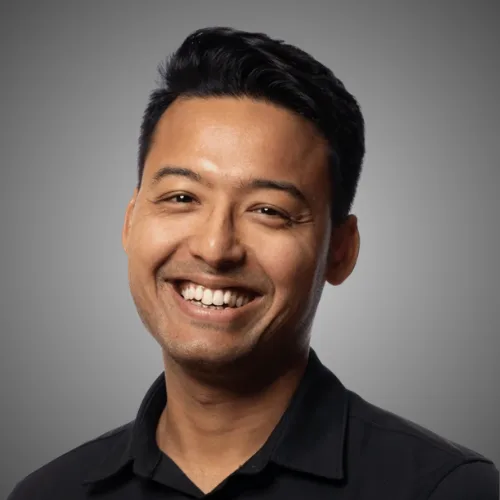
Ankur Shrestha is the founder of Twinsona, where he builds the grounding-and-guardrail layer that keeps a creator's AI twin faithful – answering only from the creator's own content, citing its sources, and never drifting from what they actually said. Before Twinsona, he built agentic AI automating insurance-carrier portals – high-stakes work where being wrong carries real consequences, the same accountability problem he now solves for creators.