How to clone your voice with AI (and keep it grounded)
By Ankur Shrestha, founder of Twinsona – Updated July 2026
This is the practical version: the exact steps to clone your voice with AI, then the steps that keep that voice honest once real people start talking to it. The cloning itself is a short, repeatable job in a tool like ElevenLabs – record a clean sample, train a model, generate speech. Save most of your effort for the second half. A fresh voice clone will read any script you hand it, so the work that actually matters is wiring it to speak only from your own content before you put it in front of an audience.
The short version: Cloning your voice is a three-step, few-minute job in a tool like ElevenLabs: record a clean sample, train a model, then type text and hear it in your voice. That leaves you with a text-to-speech clone that reads anything you give it, right or wrong, because it copies delivery and stores no facts. To let that voice field questions safely, add a second stage – connect it to your own content so it answers only from what you have said, shows its sources, and turns down anything your material does not cover. That grounding cuts fabricated answers sharply without driving them to zero. New to the whole idea? Start with what an AI twin actually is.
How to make an AI voice clone, step by step
The mechanics are straightforward and much the same across tools.
- Record a clean voice sample. A few minutes of clear speech in a quiet room – one speaker, no music, read naturally rather than performed. The cleaner the input, the closer the clone.
- Upload it and train the voice model. The tool learns your timbre, accent, and cadence from the sample. This is production-grade today: Tony Robbins runs real-time AI coaching in his own voice, built with Steno.ai and ElevenLabs.
- Generate speech and spot-check it. Type a sentence, hear it back in your voice, and re-record the sample if the match is off. This step takes minutes.
- Confirm you have the rights first. Only clone a voice you own or have explicit permission to use – covered below, because it outranks any tooling decision.
Four steps in, you have a working voice clone: a text-to-speech model that sounds like you and will read whatever you type. Most guides stop here. For a voice that answers your audience under your name, this is the halfway mark – everything that makes it trustworthy comes next.
The catch before you publish it
A voice clone copies delivery, not knowledge, so it has no idea what is actually true about you. Suppose you coach communication skills and a listener asks the fresh clone, "what's your refund policy?" With no facts to reach for, it can invent "thirty days, no questions asked" in your exact warm, unhurried delivery, and the listener gets no signal that you never said it. Wire that clone onto an ungrounded model and you have only made the wrong answers sound more like you (large language models produce confident but false statements). That is fine for narration or dubbing; it is the entire risk for a voice that answers real people. Why the sound was never the hard part is the argument in AI voice clone: tool vs grounded voice twin – the steps to fix it are right here.
How to keep the cloned voice grounded
A voice clone is only the mouth. To make it answer as you instead of improvising, put your own material behind it and run every reply through a few checks. Here is the order that holds up.
- Load your content before the voice. Point the system at what you have already published – talks, episodes, posts, lessons – so there is a body of truth to answer from before the clone ever speaks. Build this layer first; see how to create an AI clone.
- Make it look up an answer before it voices one. Each reply should be drafted from the passages in your material that match the question, not from the model's open-ended memory. Retrieval done this way "significantly reduces hallucinations in the output" (Béchard and Marquez Ayala, 2024) – fewer invented answers, though never zero, which is why the last two steps stay switched on.
- Require a source under every answer. A grounded twin can name the episode or post a reply came from, and citations like that improve verifiability so a listener can check you rather than take the voice on trust. A bare clone reading a script has nothing to point at.
- Set the topics it declines. Decide where your material runs out, and have the twin say so instead of guessing past the edge. For the full end-to-end build, see how to make an AI clone of yourself.
Where Twinsona's voice fits
Twinsona runs exactly this build order: a grounded voice twin, not a stripped voice clone. The creator's twin speaks in their voice, draws only from their content, names the source under each answer, and stays switched off until the creator consents. The steps above are the product.
Once it is grounded, you can charge for it. Set a price, put the voice twin behind it, and the payments come straight to you – so the clone earns its keep instead of narrating for free. Creators already run this play: Tony Robbins and Matthew Hussey each sell access to their creator AI at $39 per month on their own pages, which is about the clearest signal there is that an audience will pay for a faithful version of you.
Here, owning your twin means holding the controls – who may talk to it, what it charges, and the likeness of your own voice – with nothing spoken unless you allow it. It does not mean we email you the trained voice file to host on your own hardware.
A note on consent and the law
This is general information, not legal advice. Cloning a voice raises real rights questions, and the ground is shifting. In the United States, the right of publicity – your control over your own name, image, and voice – varies state by state, and there is no single federal standard yet. A proposed federal bill, the NO FAKES Act, would create one: it was reintroduced in May 2026 and advanced out of the Senate Judiciary Committee by voice vote in June 2026, but it is not enacted and could still change or fail. Treat consent as a design principle, not a formality: only clone a voice you own or have explicit permission to use, and check current rules for your own situation.
FAQ
How do you clone your voice with AI? Record a few minutes of clean, single-speaker audio, upload it to a voice-cloning tool such as ElevenLabs, and let it train a model of your timbre and cadence. From then on, any text you type is spoken in your voice. The mechanical part takes minutes; the real work is the stage after it, grounding that voice so it only says things you actually stand behind.
How much audio do you need to clone your voice? A few minutes of clean, single-speaker speech is enough for most tools to capture your timbre and cadence, and some produce a usable clone from under a minute. Sample quality counts for more than length: a quiet room, one voice, no music, and natural reading beat a long but noisy recording every time.
Is it legal to clone your own voice? Cloning a voice you own or have explicit permission to use is generally fine, but this is general information, not legal advice. In the US the right of publicity varies by state, and a proposed federal standard, the NO FAKES Act, advanced out of the Senate Judiciary Committee in June 2026 but is not yet law. Check the current rules for your situation before you publish.
After you clone your voice, how do you stop it making things up? You cannot rely on the clone alone, because it reads whatever it is handed. The fix is a second stage: connect it to your own published content, draft every reply from the passages that match the question, show the source under the answer, and have it decline topics your material does not cover. Together those steps cut fabricated answers sharply, though no setup removes the risk completely, which is why the sources and limits stay on.
Is Twinsona's voice a real feature? Yes. A Twinsona twin speaks in the creator's own voice and answers only from their content, with the source shown. You can charge your audience for access and keep what it earns, with the price and billing set by you. The voice is a working feature, not a roadmap promise.
About the author
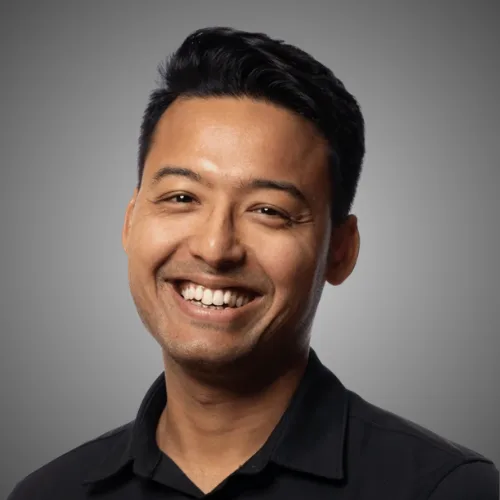
Ankur Shrestha is the founder of Twinsona, where he builds the grounding-and-guardrail layer that keeps a creator's AI twin faithful – answering only from the creator's own content, citing its sources, and never drifting from what they actually said. Before Twinsona, he built agentic AI automating insurance-carrier portals – high-stakes work where being wrong carries real consequences, the same accountability problem he now solves for creators.